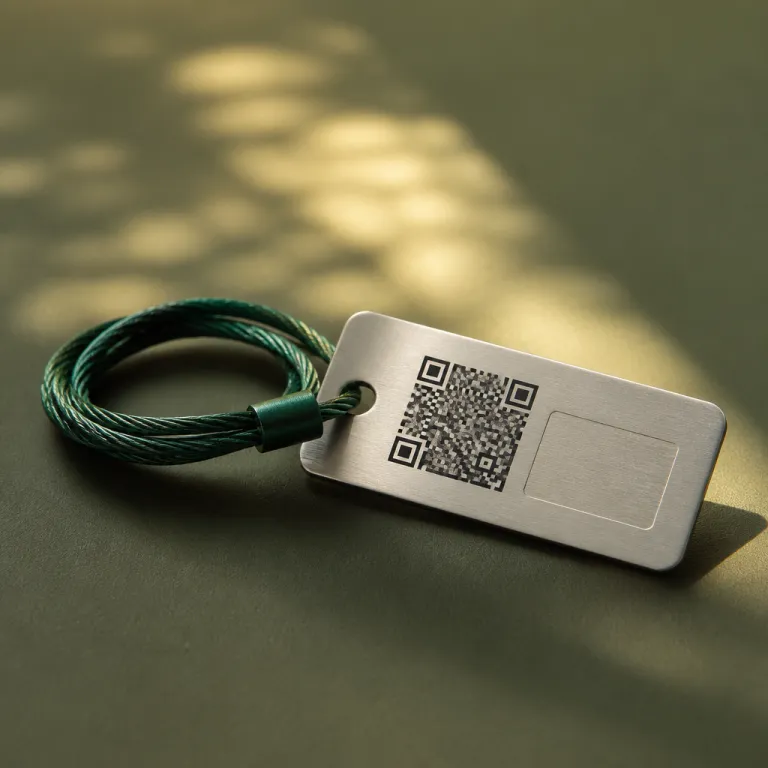
Why QR enabled asset tags matter for UAE office managers
Asset tags with QR code technology give office managers immediate visibility over every critical asset. In a typical UAE company, this transparency supports tighter administration and finance controls, especially when auditors request precise asset labels with clear depreciation data. When each asset tag connects to a live record in your asset register, you reduce disputes about equipment ownership, location, and residual value.
In practice, a QR asset tag on each laptop, printer, or meeting room screen links the physical asset with its digital file in your asset management system. That file can hold warranty details, purchase order numbers, supplier information, and photos of the product, which makes reconciliation between finance and operations much faster. When you standardise asset labels with QR codes across all departments, you create a single language for assets that both finance and administration teams can trust.
Office managers in Dubai or Abu Dhabi often coordinate several small business units under one legal entity. By assigning a unique asset tag and QR code to each piece of equipment, you can allocate costs to the right cost centre and track internal transfers between branches. This level of asset tracking supports more accurate budgeting, especially when you must justify capital expenditure on new tagging equipment or heavy duty devices to senior management.
Designing custom asset labels that work for finance and operations
Effective asset tags with QR code features start with thoughtful design of each custom asset label. For UAE offices, you need labels with bilingual text, a clear company logo, and a QR code that scans reliably under harsh lighting or dust. When you shop custom solutions, insist that every asset tag layout is tested on your real equipment before full rollout.
From a finance perspective, the label text should include the asset code, category, and sometimes the internal project or budget line. Operations teams usually prefer small labels for compact devices and larger asset labels for heavy duty equipment such as warehouse printers or server racks. To keep both sides satisfied, define a standard label size matrix that balances small business needs in satellite offices with the more complex requirements of headquarters.
Procurement teams in UAE companies often negotiate a better price when they bundle tags with printing services and software. As you develop your procurement standard operating procedure, align the asset tagging specification with your broader purchasing workflow, and integrate it into your documented procurement SOP for UAE operations leaders. This ensures that every new product entering the shop or office arrives with code labels already applied, which saves administrative time and reduces the risk of untracked assets.
Building a QR based asset management process for UAE offices
Once you have physical asset tags with QR code identifiers in place, the real value comes from the asset management process behind them. A robust process defines who scans each asset tag, when they scan it, and which data fields they must update in the system. Without this discipline, even the best labels with QR codes will not deliver reliable information to finance or administration.
For office managers, the most practical approach is to link every code asset entry to a simple workflow in your ERP or dedicated asset tracking platform. When an employee receives new equipment, they scan the asset tag, confirm the serial number, and acknowledge responsibility, which creates a clear audit trail for security and accountability. During annual stock takes, your team can walk through the office with mobile devices, scan each QR code, and reconcile the physical assets with the digital register in a fraction of the usual time.
Senior leaders increasingly expect a concise dashboard that shows asset tagging status, write offs, and utilisation by department. You can feed this information into a Monday style executive view, similar to the structure described in a Monday morning office dashboard for UAE CEOs. When your dashboard pulls live data from QR based label records, you can answer questions about missing equipment or unexplained depreciation before finance closes the monthly accounts.
Security, tamper evident labels, and compliance in UAE environments
UAE companies operate under strict regulatory expectations, which makes security focused asset tags with QR code functionality especially valuable. Tamper evident labels help you prove that sensitive equipment, such as network switches or secure laptops, has not been accessed without authorisation. When a tamper evident asset tag is broken, the QR code becomes unreadable, which signals a potential breach to both IT and finance.
For high risk areas like data centres or cash handling rooms, combine heavy duty asset labels with security features such as holograms or void patterns. These labels with advanced materials withstand heat, humidity, and frequent cleaning, which is essential in many UAE facilities. By linking each code asset entry to access control logs, you can learn exactly who last handled a device and when, which strengthens both compliance reporting and internal investigations.
Office managers should also align QR based asset tagging with internal audit procedures and external standards such as ISO 27001 for information security. When auditors request evidence, you can present a clear list of assets, each with a unique asset tag, QR code history, and maintenance record. This structured approach reduces the administrative burden on your team and reassures regulators that your business treats physical and digital assets with equal care.
Cost control, pricing models, and the hidden ROI of QR asset tagging
Implementing asset tags with QR code identifiers requires upfront investment, but the long term financial gains are significant for UAE offices. Suppliers typically offer a tiered price structure based on volume, label material, and whether you include a printed logo or only plain text. When you compare offers, calculate the total cost per asset over its expected life, including the time your team spends on manual tracking today.
Many vendors provide a free trial of their asset management software or a small batch of sample labels with QR codes. Use these samples to test scanning performance on different equipment surfaces, from smooth laptops to textured heavy duty cases, before you commit to a full shop custom order. For a small business unit, starting with a limited run of asset labels and then scaling up once the process is stable often delivers better ROI than a single large purchase.
To quantify the benefits, track metrics such as reduced write offs, faster audits, and fewer lost assets across your business. For example, if you spend around AED 10 per tag (including software and labour) and prevent just one AED 2,000 write off for every 200 tagged assets, the project pays for itself within the first audit cycle. You can then present these results alongside other productivity initiatives, such as those discussed in analyses of the UAE office productivity gap and the need for a structured wellness plan, for example in this article on the AED 39 billion productivity gap in UAE offices. When leadership sees that QR based asset tagging supports both financial control and employee efficiency, budget approvals for expanding the system become much easier.
Practical implementation tips for office managers in UAE companies
Rolling out asset tags with QR code identifiers across a live office requires careful planning. Start with a pilot in one department, such as finance or IT, and assign a small team to map existing assets and apply the first wave of asset labels. During this phase, document every step, from ordering each custom asset tag to training staff on how to scan and update records.
Communication is critical, because employees must understand why tags with QR codes are being introduced and how they protect both the company and individual accountability. Provide short training sessions that explain how to scan a code, read the product information, and report damaged labels with a simple ticket. Encourage staff to rate the clarity of the new system, almost like giving stars to a service, so you can learn where instructions or label design need refinement.
Finally, integrate asset tracking tasks into existing workflows rather than adding separate processes. For example, when IT issues new equipment, they should scan the asset tag as part of the handover, and when facilities relocate furniture, they should update the code labels during the move. By embedding QR based asset tagging into daily routines, you ensure that the system remains accurate long after the initial enthusiasm fades.
Choosing the right QR asset tag supplier for UAE conditions
Selecting a supplier for asset tags with QR code capability is a strategic decision for any UAE company. Look for vendors who understand regional conditions, including high temperatures, dust, and frequent cleaning with strong chemicals, which can damage a standard label. The best partners offer heavy duty materials, tamper evident options, and flexible printing so that each asset tag matches your operational reality.
When you shop custom solutions, evaluate not only the price per label but also the quality of the software platform that manages your assets. A strong platform lets you design custom code formats, group assets by location or department, and export clean reports for finance and audit teams. Ask for references from other UAE clients, especially those in similar sectors, so you can learn how well the supplier supports long term asset tagging programmes.
For office managers overseeing multiple sites, prioritise suppliers who can ship labels quickly to different Emirates and provide remote training for your team. Clarify whether the vendor offers free replacements for defective labels with printing errors or unreadable QR codes, and confirm service level agreements in writing. Over time, a reliable partner becomes an extension of your internal asset management function, helping your business maintain accurate records and strong security across all locations.
Key statistics on QR based asset tagging in office environments
- A Deloitte Insights briefing on digital asset management (2021, “Digital Asset Management: Unlocking Value from Physical Assets”) reported that organisations using QR or barcode based asset tracking typically see double digit reductions in annual asset loss, which directly improves the bottom line for finance departments.
- Gartner research on IT asset management (2020, “Market Guide for IT Asset Management Tools”) indicates that automated asset tracking can cut physical inventory time by up to half, freeing administrative teams to focus on higher value tasks such as budgeting and vendor management.
- In a 2019 IDC Middle East enterprise survey on governance and compliance (“Middle East Enterprise Governance and Compliance Survey”), more than half of respondents cited improved audit readiness as the primary benefit of structured asset tagging, ahead of cost savings or operational efficiency.
- Studies on maintenance management from leading facilities management journals, such as the Journal of Facilities Management and International Journal of Strategic Property Management, show that linking QR codes to service histories can extend equipment life because technicians follow schedules more consistently when data is instantly accessible.
- Industry benchmarks from major asset management software providers, including case studies published by Asset Panda and Snipe-IT between 2019 and 2022, suggest that payback periods for QR based asset tagging projects in office environments often range from 12 to 24 months, depending on the initial level of asset visibility and the cost of lost equipment.
FAQ about QR enabled asset tags in UAE offices
How do QR based asset tags improve financial audits in UAE companies?
QR based asset tags link each physical asset to a detailed digital record that includes purchase data, depreciation method, and current location. During audits, finance teams can scan the code to confirm that the asset exists, is in use, and matches the ledger entry. This reduces sampling errors, shortens audit fieldwork, and provides clearer evidence for both internal and external auditors.
What type of labels should we use for heavy duty or outdoor equipment?
For heavy duty or outdoor equipment, choose asset labels made from durable materials such as polyester or anodised aluminium with UV resistant printing. These labels withstand heat, dust, and cleaning chemicals common in UAE environments. Pair them with tamper evident features if the equipment is sensitive or located in areas with higher theft risk.
Can small business units in a larger group benefit from QR asset tagging?
Yes, small business units often gain the most from asset tags with QR code identifiers because they usually lack dedicated asset management staff. A simple QR based system lets office managers track laptops, printers, and meeting room equipment without complex software. The resulting visibility supports better budgeting, easier audits, and fewer disputes over shared resources within the group.
How should we handle damaged or missing QR asset tags?
Establish a clear procedure where employees report damaged or missing asset tags immediately through your helpdesk or facilities ticketing system. The responsible team should then verify the asset, print a replacement label, and update the digital record to maintain continuity. Regular spot checks during office walk throughs help you catch issues early and keep the asset register accurate.
What data should be encoded in the QR code versus printed as text?
Best practice is to encode a unique asset ID and a secure URL in the QR code, while printing human readable text such as asset number, category, and department on the label. This keeps the code simple and reliable while still giving staff enough information at a glance. Sensitive data, like purchase price or user name, should remain in the digital record rather than on the physical label for security reasons.